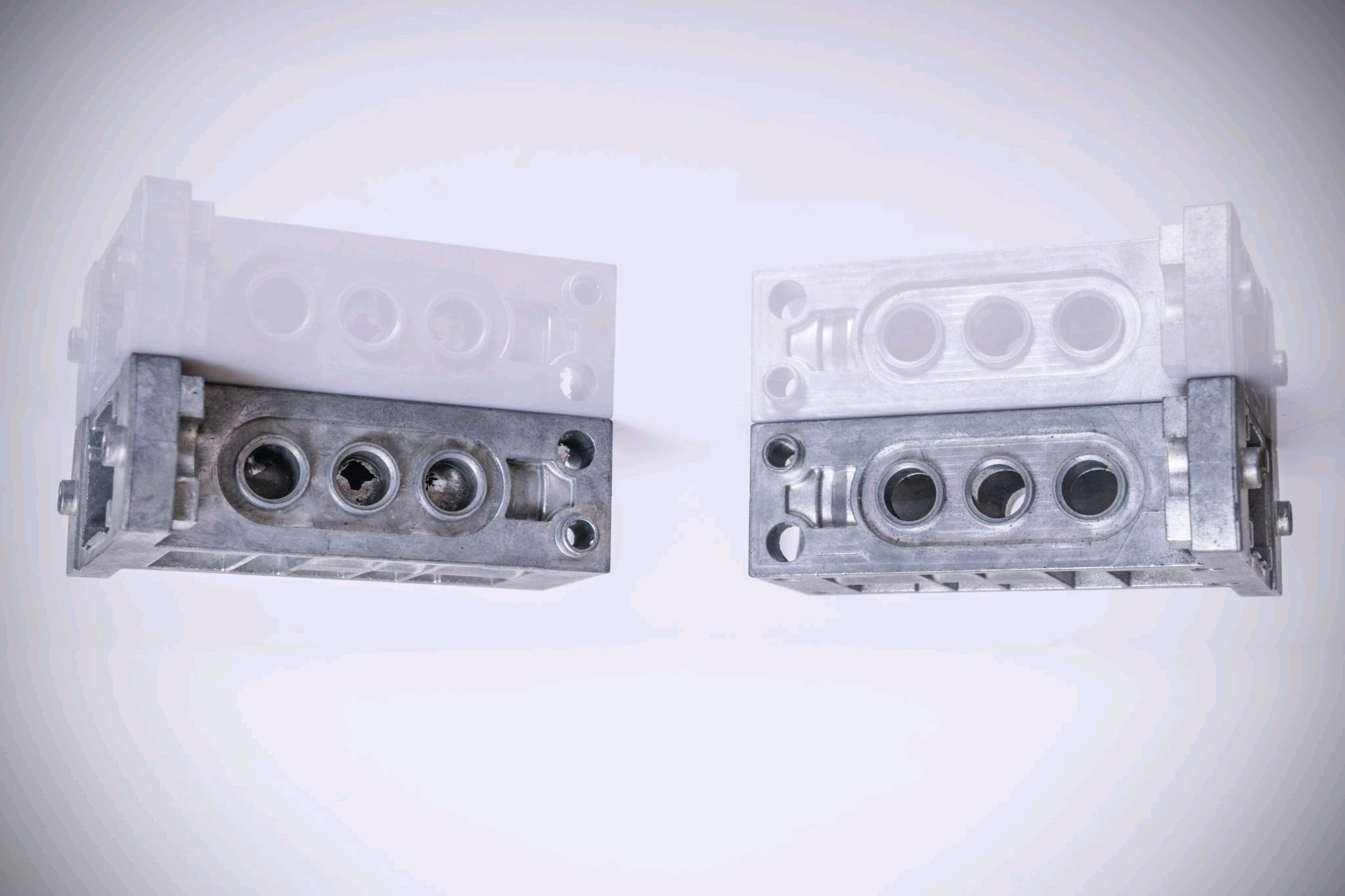
 Cryogenic Deflashing for Die-Cast Zinc and Magnesium Parts: The Complete Guide
Nov 23, 2026
Cryogenic Deflashing for Die-Cast Zinc and Magnesium Parts: The Complete Guide
Title: Cryogenic Deflashing for Die-Cast Zinc & Magnesium Parts
Description: Discover how cryogenic deflashing removes flashes from die-cast zinc and magnesium parts with 0.01mm precision. Learn about PEGE's Frozen Shot PG series.
Quick Answer
Cryogenic deflashing is a highly efficient, automated process that uses liquid nitrogen to freeze die-cast zinc and magnesium flashes until they become brittle, followed by polycarbonate media blasting to remove them cleanly. This method achieves a deflashing precision of up to 0.01mm without damaging the base metal, making it the superior choice for high-volume, complex-geometry metal components compared to manual trimming or traditional vibratory tumbling.
Key Takeaways
• Targeted Brittleness: Freezes thin zinc and magnesium flashes to a glass-like state while the thicker base metal remains ductile, ensuring only the flash is removed.
• Micro-Precision: Achieves deflashing precision down to 0.01mm, perfectly preserving the tight dimensional tolerances required in automotive and electronics hardware.
• Massive Labor Savings: A single automated cryogenic cycle can replace the output of 40 to 50 manual workers, drastically reducing operational overhead.
• Optimized Operating Costs: PEGE s "Frozen Shot" PG series features SUS304 stainless steel construction and consumes 15% to 20% less liquid nitrogen than standard industry machines.
• High-Volume Throughput: Capable of processing up to 500kg of parts per day in a standard 8-hour shift, with single-part costs dropping as low as 0.01 USD/PC.
The Unique Challenges of Deflashing Die-Cast Zinc and Magnesium
High-pressure die casting (HPDC) of zinc (such as Zamak 3 and Zamak 5) and magnesium (such as AZ91D) alloys is a cornerstone of modern manufacturing. These materials offer an exceptional strength-to-weight ratio, excellent dimensional stability, and high thermal conductivity, making them ideal for automotive components, consumer electronics housings, and industrial hardware.
However, the die-casting process inherently creates unwanted excess material known as "flash" or "burr." This occurs at the parting lines of the mold, around ejector pins, and at the edges of overflow wells. Deflashing these metal parts presents a unique set of engineering challenges:
1. Tough, Ductile Flashes: Unlike rubber or plastic, zinc and magnesium flashes are metallic and highly ductile at room temperature. They bend rather than break, making them incredibly difficult to snap off cleanly.
2. Complex Geometries and Thin Walls: Die-cast parts often feature intricate cores, deep recesses, and extremely thin walls. Reaching the flash in these areas without altering the part's geometry is nearly impossible with manual tools.
3. Risk of Substrate Damage: Traditional mechanical methods, such as vibratory tumbling or abrasive blasting, rely on part-on-part impact or aggressive media. This can easily dent, scratch, or deform the delicate features of a zinc or magnesium casting.
4. Inconsistent Manual Labor: Manual deflashing using files, scrapers, or grinding tools is labor-intensive, highly inconsistent, and prone to human error. It also introduces ergonomic hazards and high turnover rates in the workforce.
To maintain strict quality control and dimensional integrity, manufacturers require a deflashing method that is aggressive on the flash but gentle on the base substrate. Cryogenic deflashing provides the exact physical conditions required to solve this metallurgical challenge.
The Science of Cryogenic Deflashing for Metal Alloys
Cryogenic deflashing leverages the fundamental thermal properties of metals. The process relies on the fact that the thin flash and the thick base metal react differently to extreme cold.
In a cryogenic deflashing machine, the zinc or magnesium components are loaded into a rotating processing drum. Liquid nitrogen is injected into the chamber, rapidly dropping the temperature.
Because the flash at the parting line is exceptionally thin (often less than 0.1mm), it loses heat and reaches its brittle transition temperature almost instantly. At temperatures reaching -130°C, the metallic flash becomes as brittle as glass. Conversely, the main body of the die-cast part has a much larger thermal mass. It cools down but retains its core ductility and toughness.
Once the flashes are fully embrittled, the machine introduces polycarbonate granules as the blasting media. Driven by a high-speed wheel, the media is propelled at a blasting speed of 105.7m/s.
When these polycarbonate granules strike the part:
• They shatter the brittle, frozen flash into microscopic dust, which is extracted by the machine's dust collector.
• They bounce harmlessly off the ductile, un-frozen base metal, leaving the critical dimensions and surface finish of the zinc or magnesium part completely intact.
This selective embrittlement is what makes cryogenic deflashing uniquely suited for metal alloys, allowing for the removal of flashes as thin as 0.01mm without altering the substrate.
Process Parameters for Zinc and Magnesium Alloys
Achieving optimal results in cryogenic deflashing requires precise control over several process parameters. While rubber and plastic require different thermal profiles, die-cast metals demand a specific balance of cooling time, drum rotation, and media impact.
Below is a standard parameter guide for processing die-cast zinc and magnesium parts using PEGE's Frozen Shot technology:
Process Parameter
Recommended Range for Zinc/Magnesium
Impact on Deflashing Quality
Cooling Temperature
-130°C to -80°C
Must be low enough to embrittle the specific alloy flash, but not so low as to unnecessarily freeze the thick base metal.
Cooling Time
3 to 8 minutes
Depends on the thermal mass of the part. Thicker parts require longer to ensure the flash is fully frozen.
Drum Speed (Rolling)
5 to 15 rpm
Ensures all parting lines and complex geometries are continuously exposed to the media blast and liquid nitrogen.
Blasting Time
10 to 25 minutes
Dictates the completeness of flash removal. Over-blasting is rarely an issue due to the ductility of the base metal.
Media Grain Size
0.3mm to 0.8mm (Polycarbonate)
Smaller grains reach tight corners and micro-features; larger grains are used for heavy, accessible parting line flashes.
Wheel Speed
3000 to 7200 rpm
Controls the kinetic energy of the media. 105.7m/s is optimal for shattering metallic flashes without peening the base metal.
Modern systems, like the PEGE PG series, utilize advanced touch screen operation modes to store and recall these specific recipes, ensuring batch-to-batch consistency for different zinc and magnesium SKUs.
Cryogenic Deflashing vs. Conventional Metal Finishing Methods
When evaluating finishing solutions for die-cast metals, it is crucial to compare cryogenic deflashing against traditional alternatives.
Feature
Manual Deflashing
Vibratory Tumbling
CNC / Robotic Trimming
Cryogenic Deflashing (PEGE)
Precision
Low (Human error)
Low (Rounds off edges)
High (Line of sight only)
High (Up to 0.01mm)
Labor Requirement
Extremely High (40-50 workers)
Low
Medium (Programming/Loading)
Very Low (1 operator)
Risk of Part Damage
High (Scratches/Gouges)
High (Part-on-part impact)
Medium (Tool marks)
Zero (Base metal unaffected)
Complex Geometry Access
Poor
Poor
Poor (Line of sight limited)
Excellent (360° media access)
Consistency
Low
Medium
High
Extremely High (Automated)
Cost Per Part
High
Medium
High
Extremely Low (As low as 0.01 USD/PC)
As demonstrated, while CNC trimming offers high precision, it is limited by line-of-sight and cannot easily access internal cores or complex 3D parting lines. Vibratory tumbling is cost-effective but risks damaging delicate features and rounding off sharp corners. Cryogenic deflashing bridges the gap, offering high precision, complete geometric access, and unparalleled cost-efficiency.
Maximizing ROI with PEGE s "Frozen Shot" PG Series
NANJING PEGE TECHNO MACHINE CO., LTD (PEGE) has spent 15 years perfecting the cryogenic deflashing process. Our "Frozen Shot" PG series is specifically engineered to handle the rigorous demands of industrial metal and rubber finishing.
Engineered for Efficiency and Durability
The PG series machines are constructed entirely from SUS304 stainless steel. This is critical for cryogenic applications, as it prevents internal corrosion, withstands extreme thermal cycling from -130°C to +50°C, and ensures that no contaminants are introduced to your zinc or magnesium parts.
Furthermore, PEGE has optimized the thermal dynamics of the processing chamber. Our proprietary insulation and nitrogen distribution design result in liquid nitrogen consumption that is 15% to 20% lower than comparable machines on the market. For high-volume metal finishing facilities, this reduction translates to massive annual savings in consumable costs.
Throughput and Capacity
A single cryogenic deflashing cycle can replace the output of 40 to 50 manual workers. Depending on the model selected, the PEGE PG series can achieve a deflashing efficiency of up to 500kg per day in an 8-hour shift.
For smaller, intricate zinc components (such as zipper pulls, small gears, or electronic connectors), the single deflashing cost can be driven down to an astonishing 0.01 USD/PC, offering a rapid return on investment.
The PG Series Lineup
The Frozen Shot line is scalable to meet the exact production volumes of your facility:
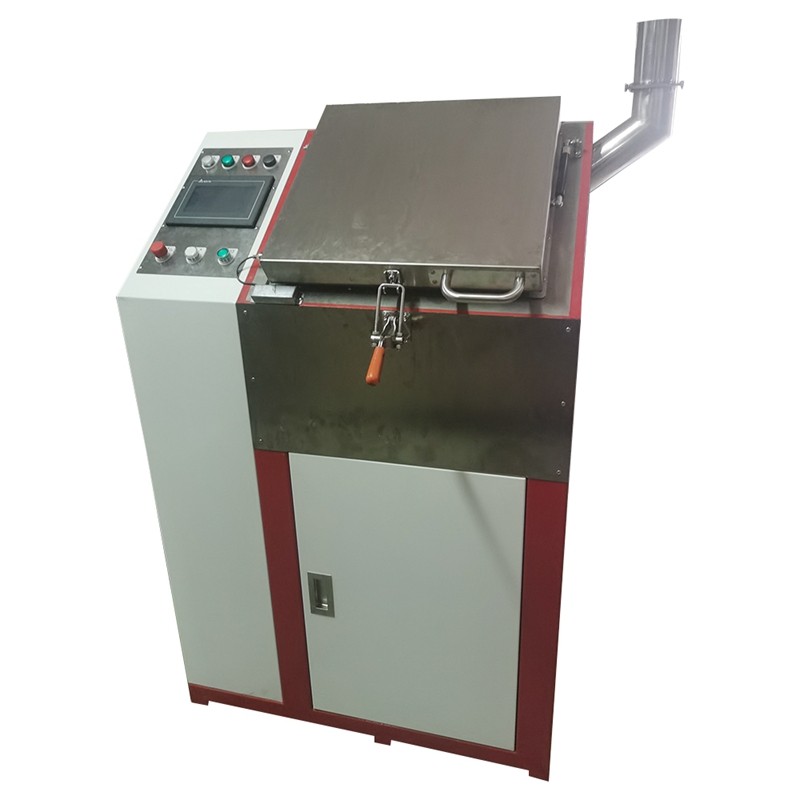
• [Cryogenic Deflashing Machine PG-40T](https://www.pegedeflashing.com/cryogenic-deflashing-machine-pg-40t): Ideal for small-batch, high-precision work. Features a 40L barrel capacity (15L effective), 500Kg weight, and a productivity rate of 150-200kg/day.
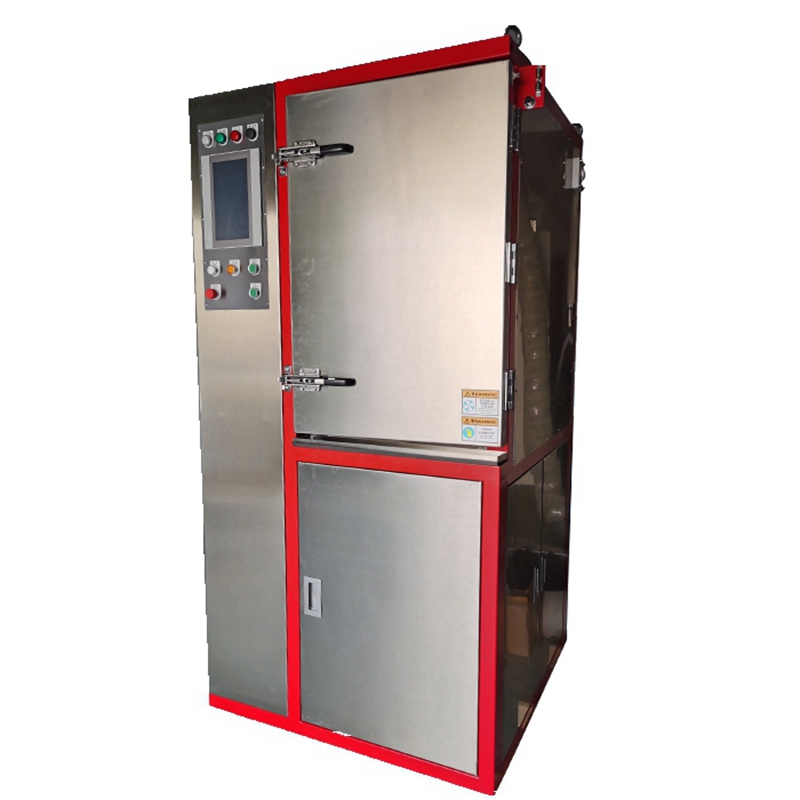
• [Cryogenic Deflashing Machine PG-60T](https://www.pegedeflashing.com/cryogenic-deflashing-machine-pg-60t): The mid-range workhorse. Features a 60L barrel capacity (20L effective), 700Kg weight, and a productivity rate of 200-250kg/day.
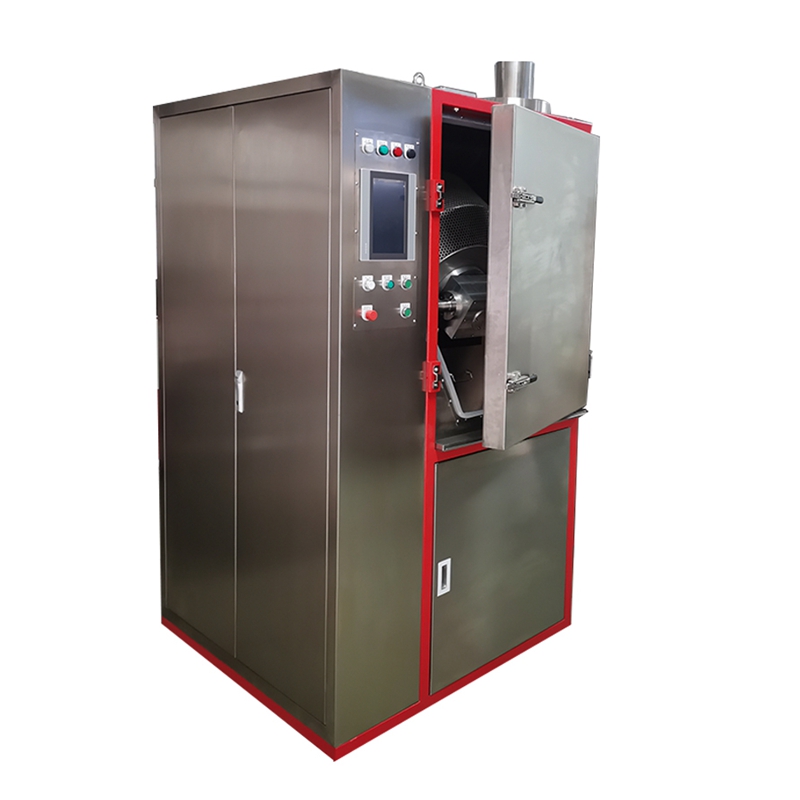
• [Cryogenic Deflashing Machine PG-80T](https://www.pegedeflashing.com/cryogenic-deflashing-machine-pg-80t): Designed for higher volume metal and rubber processing, offering increased barrel capacity for larger batch sizes.
• [Cryogenic Deflashing Machine PG-120T](https://www.pegedeflashing.com/cryogenic-deflashing-machine-pg-120t): Heavy-duty capacity for large-scale die-casting facilities requiring maximum daily throughput.
• [Cryogenic Deflashing Machine PG-150T](https://www.pegedeflashing.com/cryogenic-deflashing-machine-pg-150t): The ultimate high-volume solution for continuous, large-scale industrial deflashing operations.
• AD-120T: Specialized automated configuration for seamless integration into existing high-volume production lines.
Frequently Asked Questions (FAQ)
1. Will cryogenic deflashing alter the dimensions or surface finish of my zinc or magnesium parts?
No. The process relies on the difference in thermal mass between the thin flash and the thick base part. The base metal remains ductile and unaffected by the polycarbonate media impact. The deflashing precision is up to 0.01mm, meaning your critical dimensional tolerances and surface finishes are perfectly preserved.
2. How much liquid nitrogen will my machine consume?
Consumption varies based on the specific model, batch size, and target temperature. However, PEGE s "Frozen Shot" PG series is engineered with advanced thermal insulation and optimized nitrogen distribution, resulting in liquid nitrogen consumption that is 15% to 20% lower than standard industry machines.
3. Can this machine handle both rubber/plastic and die-cast metals?
Yes. Cryogenic deflashing is a highly versatile proces
Read More




 Cryogenic Deflashing Machine PG-40T
 Cryogenic Deflashing Machine PG-60T
 Cryogenic Deflashing Machine PG-80T
 Cryogenic Deflashing Machine PG-120T
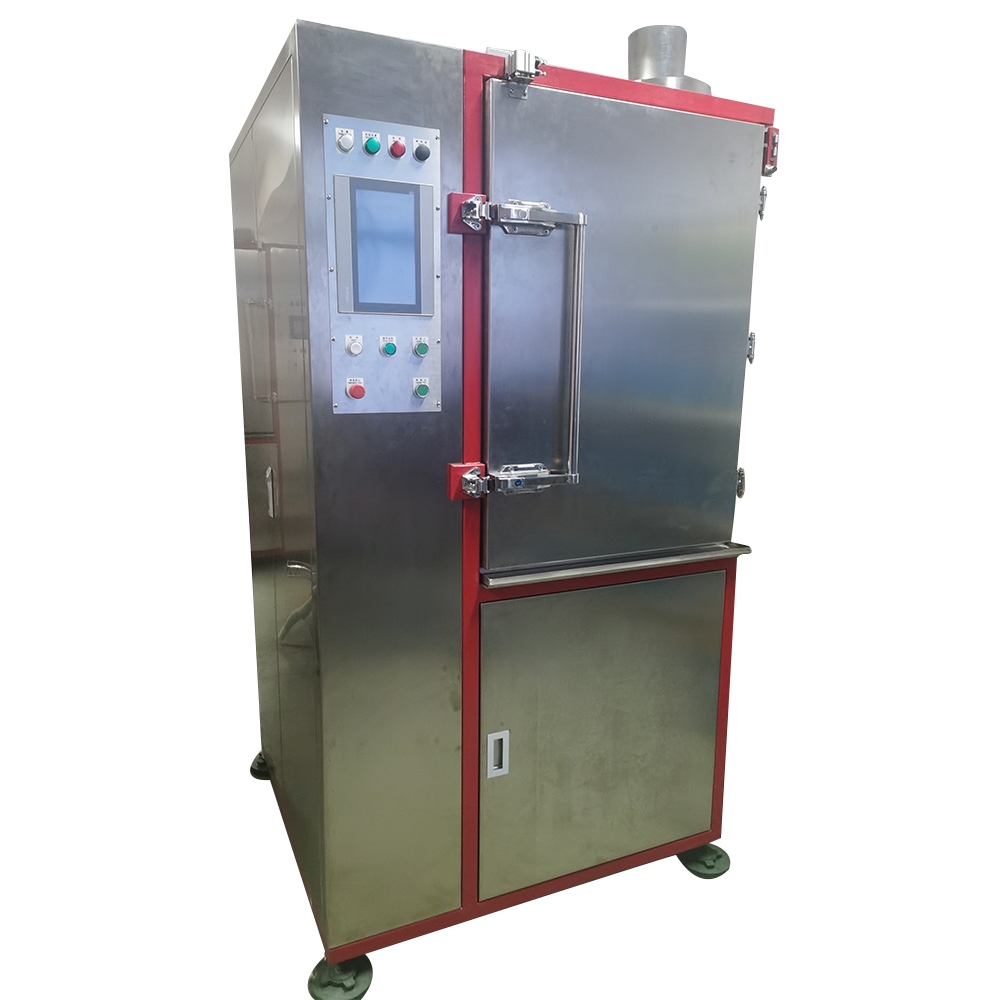 Cryogenic Deburring Machine PG-150T
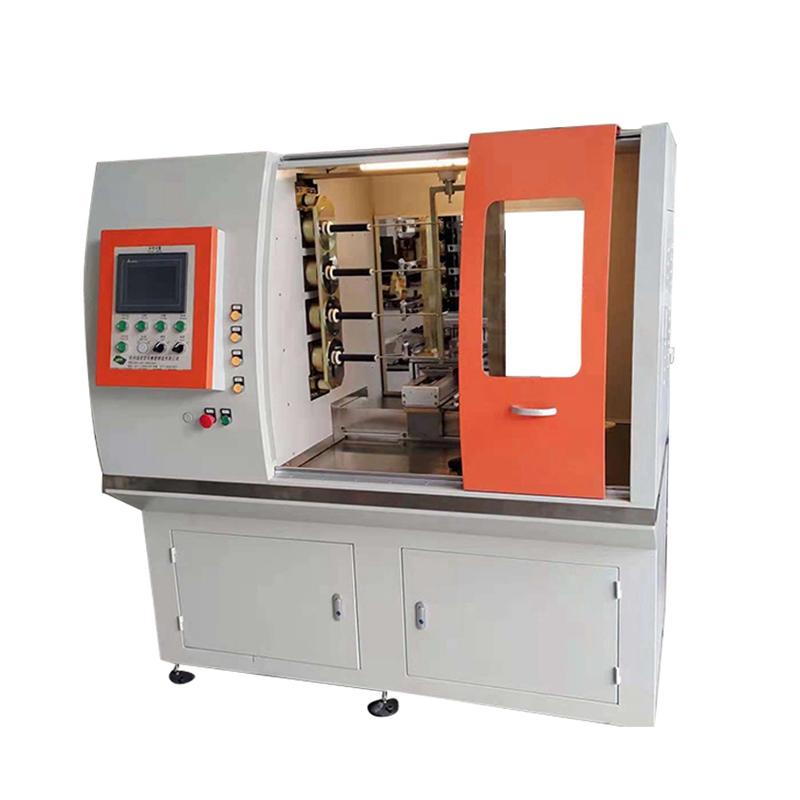 Vacuum Mandrel Washer Gasket Cutting Machine PG-YAQ-1S
 Cryogenic Deburring Machine PG-40T
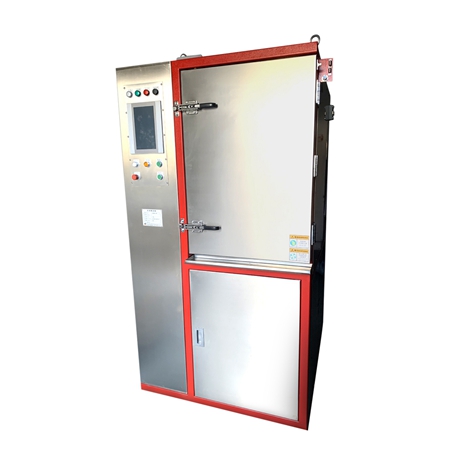 Automatic Cryogenic Rubber Deflashing Machine PG-60T
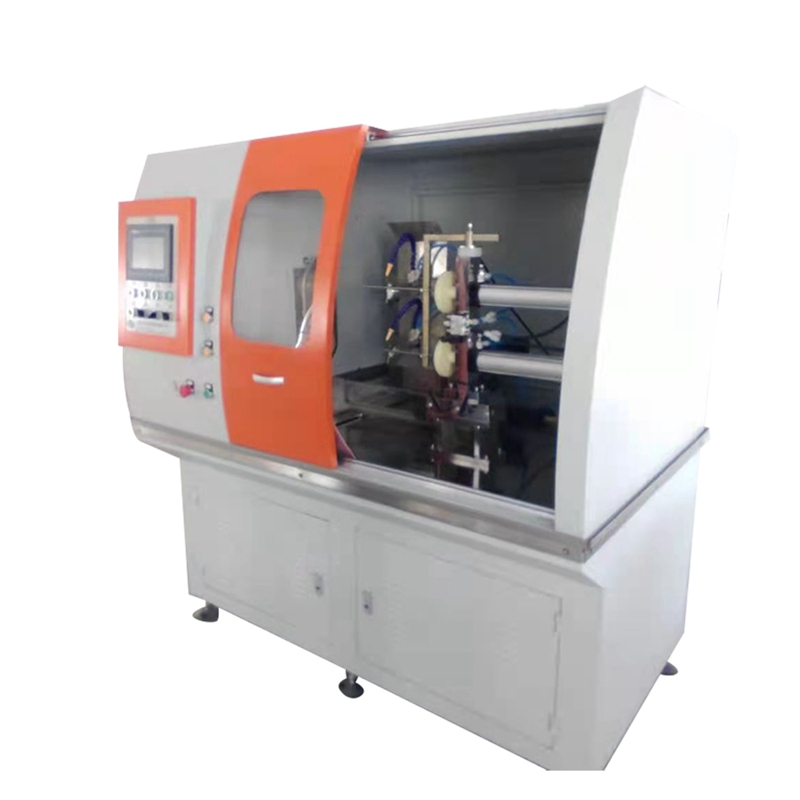 Vacuum Mandrel Cutting Machine PG-YAQ-2S
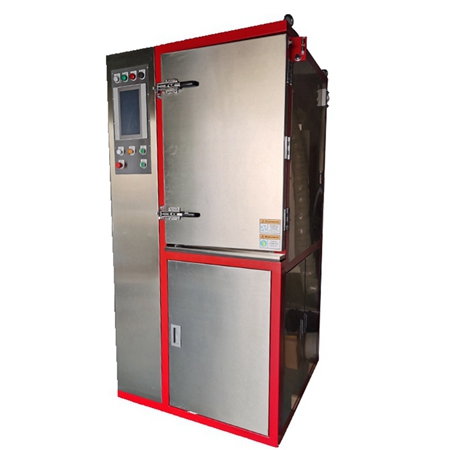 China PEGE Cryogenic Deflasher PG-80T
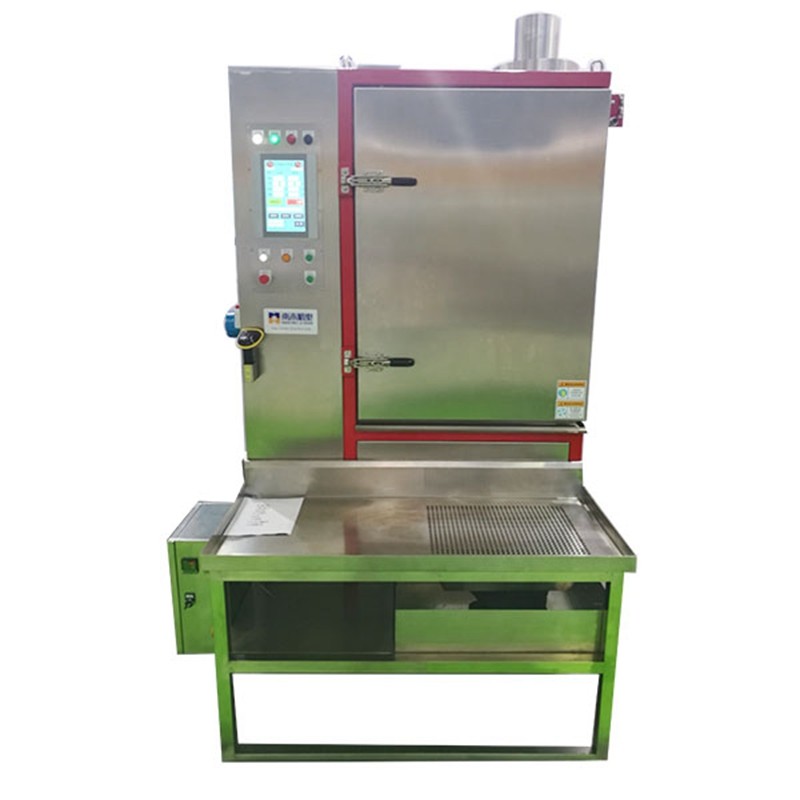 Cryogenic Deflashing Machine Advanced Model PG-AD-120T


 English
 français
 español
 IPv6 network supported