banner-blog
Search
Home |

Search

  • Cryogenic Deflashing for Die-Cast Zinc and Magnesium Parts: The Complete Guide Cryogenic Deflashing for Die-Cast Zinc and Magnesium Parts: The Complete Guide
    Nov 23, 2026
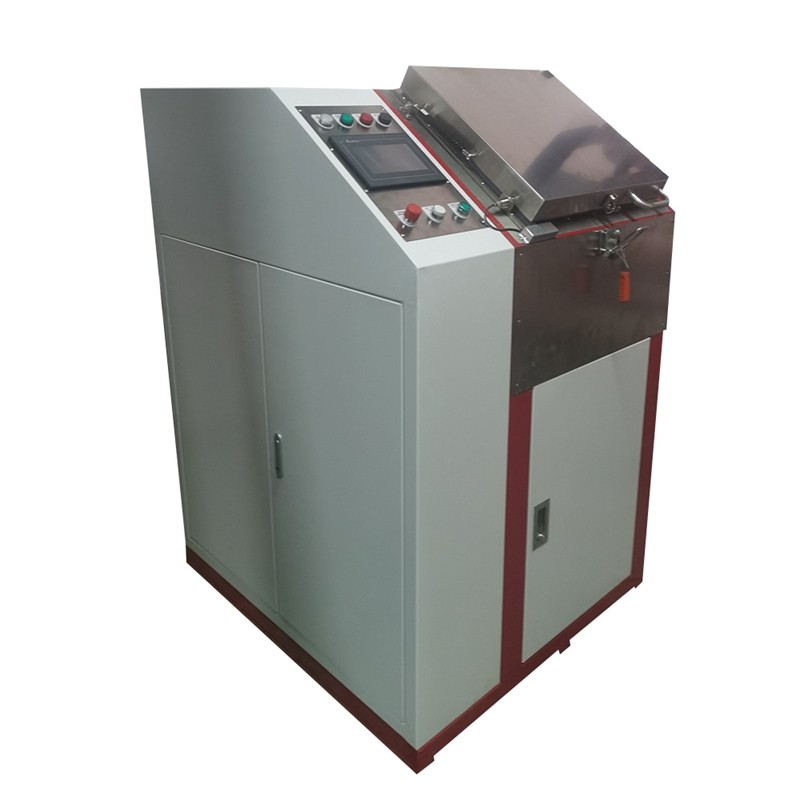
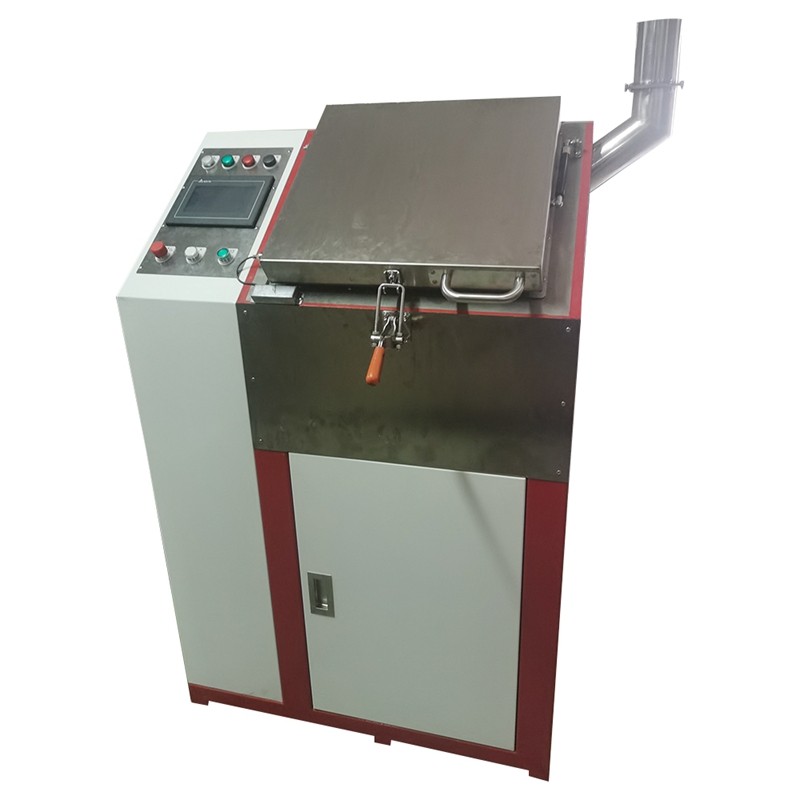
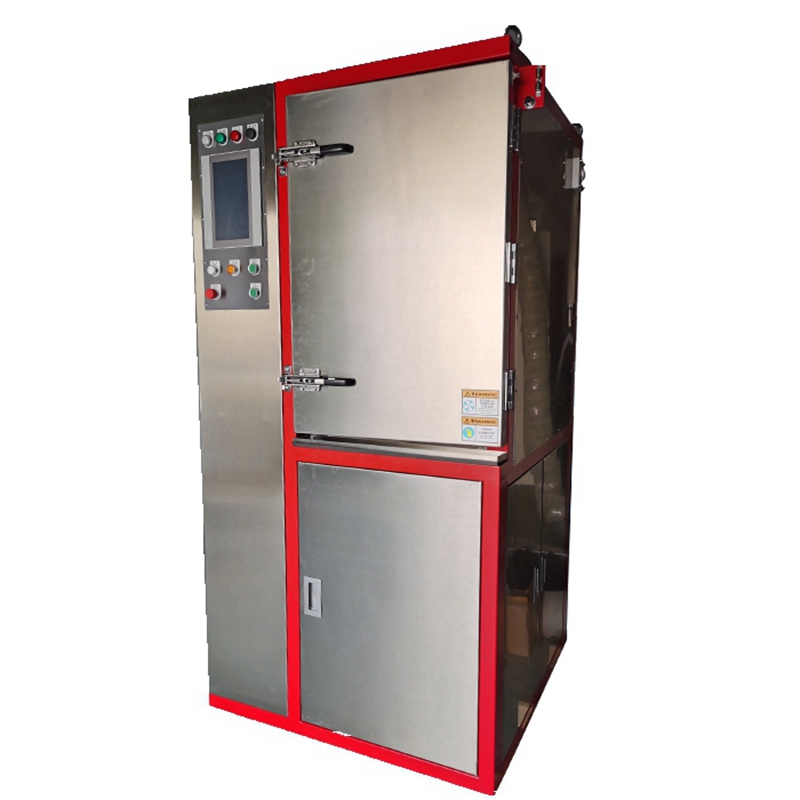
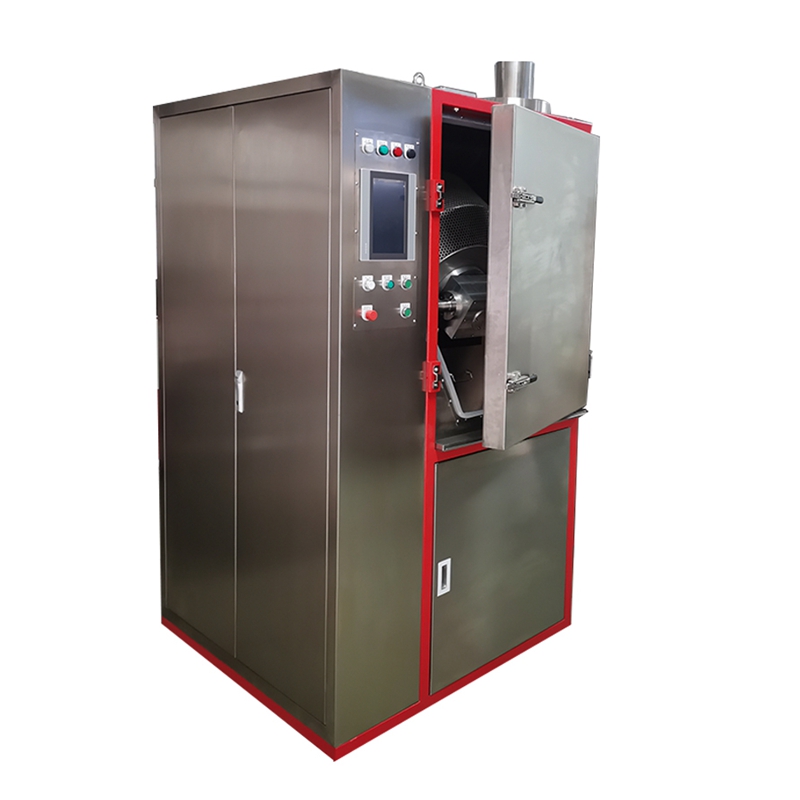
    Cryogenic Deflashing for Die-Cast Zinc and Magnesium Parts: The Complete Guide   Title: Cryogenic Deflashing for Die-Cast Zinc & Magnesium Parts Description: Discover how cryogenic deflashing removes flashes from die-cast zinc and magnesium parts with 0.01mm precision. Learn about PEGE's Frozen Shot PG series.   Quick Answer Cryogenic deflashing is a highly efficient, automated process that uses liquid nitrogen to freeze die-cast zinc and magnesium flashes until they become brittle, followed by polycarbonate media blasting to remove them cleanly. This method achieves a deflashing precision of up to 0.01mm without damaging the base metal, making it the superior choice for high-volume, complex-geometry metal components compared to manual trimming or traditional vibratory tumbling.   Key Takeaways • Targeted Brittleness: Freezes thin zinc and magnesium flashes to a glass-like state while the thicker base metal remains ductile, ensuring only the flash is removed. • Micro-Precision: Achieves deflashing precision down to 0.01mm, perfectly preserving the tight dimensional tolerances required in automotive and electronics hardware. • Massive Labor Savings: A single automated cryogenic cycle can replace the output of 40 to 50 manual workers, drastically reducing operational overhead. • Optimized Operating Costs: PEGE s "Frozen Shot" PG series features SUS304 stainless steel construction and consumes 15% to 20% less liquid nitrogen than standard industry machines. • High-Volume Throughput: Capable of processing up to 500kg of parts per day in a standard 8-hour shift, with single-part costs dropping as low as 0.01 USD/PC.       The Unique Challenges of Deflashing Die-Cast Zinc and Magnesium   High-pressure die casting (HPDC) of zinc (such as Zamak 3 and Zamak 5) and magnesium (such as AZ91D) alloys is a cornerstone of modern manufacturing. These materials offer an exceptional strength-to-weight ratio, excellent dimensional stability, and high thermal conductivity, making them ideal for automotive components, consumer electronics housings, and industrial hardware.   However, the die-casting process inherently creates unwanted excess material known as "flash" or "burr." This occurs at the parting lines of the mold, around ejector pins, and at the edges of overflow wells. Deflashing these metal parts presents a unique set of engineering challenges:   1. Tough, Ductile Flashes: Unlike rubber or plastic, zinc and magnesium flashes are metallic and highly ductile at room temperature. They bend rather than break, making them incredibly difficult to snap off cleanly. 2. Complex Geometries and Thin Walls: Die-cast parts often feature intricate cores, deep recesses, and extremely thin walls. Reaching the flash in these areas without altering the part's geometry is nearly impossible with manual tools. 3. Risk of Substrate Damage: Traditional mechanical methods, such as vibratory tumbling or abrasive blasting, rely on part-on-part impact or aggressive media. This can easily dent, scratch, or deform the delicate features of a zinc or magnesium casting. 4. Inconsistent Manual Labor: Manual deflashing using files, scrapers, or grinding tools is labor-intensive, highly inconsistent, and prone to human error. It also introduces ergonomic hazards and high turnover rates in the workforce.   To maintain strict quality control and dimensional integrity, manufacturers require a deflashing method that is aggressive on the flash but gentle on the base substrate. Cryogenic deflashing provides the exact physical conditions required to solve this metallurgical challenge.   The Science of Cryogenic Deflashing for Metal Alloys   Cryogenic deflashing leverages the fundamental thermal properties of metals. The process relies on the fact that the thin flash and the thick base metal react differently to extreme cold.   In a cryogenic deflashing machine, the zinc or magnesium components are loaded into a rotating processing drum. Liquid nitrogen is injected into the chamber, rapidly dropping the temperature.   Because the flash at the parting line is exceptionally thin (often less than 0.1mm), it loses heat and reaches its brittle transition temperature almost instantly. At temperatures reaching -130°C, the metallic flash becomes as brittle as glass. Conversely, the main body of the die-cast part has a much larger thermal mass. It cools down but retains its core ductility and toughness.   Once the flashes are fully embrittled, the machine introduces polycarbonate granules as the blasting media. Driven by a high-speed wheel, the media is propelled at a blasting speed of 105.7m/s.   When these polycarbonate granules strike the part: • They shatter the brittle, frozen flash into microscopic dust, which is extracted by the machine's dust collector. • They bounce harmlessly off the ductile, un-frozen base metal, leaving the critical dimensions and surface finish of the zinc or magnesium part completely intact.   This selective embrittlement is what makes cryogenic deflashing uniquely suited for metal alloys, allowing for the removal of flashes as thin as 0.01mm without altering the substrate.   Process Parameters for Zinc and Magnesium Alloys   Achieving optimal results in cryogenic deflashing requires precise control over several process parameters. While rubber and plastic require different thermal profiles, die-cast metals demand a specific balance of cooling time, drum rotation, and media impact.   Below is a standard parameter guide for processing die-cast zinc and magnesium parts using PEGE's Frozen Shot technology:   Process Parameter Recommended Range for Zinc/Magnesium Impact on Deflashing Quality Cooling Temperature -130°C to -80°C Must be low enough to embrittle the specific alloy flash, but not so low as to unnecessarily freeze the thick base metal. Cooling Time 3 to 8 minutes Depends on the thermal mass of the part. Thicker parts require longer to ensure the flash is fully frozen. Drum Speed (Rolling) 5 to 15 rpm Ensures all parting lines and complex geometries are continuously exposed to the media blast and liquid nitrogen. Blasting Time 10 to 25 minutes Dictates the completeness of flash removal. Over-blasting is rarely an issue due to the ductility of the base metal. Media Grain Size 0.3mm to 0.8mm (Polycarbonate) Smaller grains reach tight corners and micro-features; larger grains are used for heavy, accessible parting line flashes. Wheel Speed 3000 to 7200 rpm Controls the kinetic energy of the media. 105.7m/s is optimal for shattering metallic flashes without peening the base metal.   Modern systems, like the PEGE PG series, utilize advanced touch screen operation modes to store and recall these specific recipes, ensuring batch-to-batch consistency for different zinc and magnesium SKUs.   Cryogenic Deflashing vs. Conventional Metal Finishing Methods   When evaluating finishing solutions for die-cast metals, it is crucial to compare cryogenic deflashing against traditional alternatives.   Feature Manual Deflashing Vibratory Tumbling CNC / Robotic Trimming Cryogenic Deflashing (PEGE) Precision Low (Human error) Low (Rounds off edges) High (Line of sight only) High (Up to 0.01mm) Labor Requirement Extremely High (40-50 workers) Low Medium (Programming/Loading) Very Low (1 operator) Risk of Part Damage High (Scratches/Gouges) High (Part-on-part impact) Medium (Tool marks) Zero (Base metal unaffected) Complex Geometry Access Poor Poor Poor (Line of sight limited) Excellent (360° media access) Consistency Low Medium High Extremely High (Automated) Cost Per Part High Medium High Extremely Low (As low as 0.01 USD/PC)   As demonstrated, while CNC trimming offers high precision, it is limited by line-of-sight and cannot easily access internal cores or complex 3D parting lines. Vibratory tumbling is cost-effective but risks damaging delicate features and rounding off sharp corners. Cryogenic deflashing bridges the gap, offering high precision, complete geometric access, and unparalleled cost-efficiency.   Maximizing ROI with PEGE s "Frozen Shot" PG Series   NANJING PEGE TECHNO MACHINE CO., LTD (PEGE) has spent 15 years perfecting the cryogenic deflashing process. Our "Frozen Shot" PG series is specifically engineered to handle the rigorous demands of industrial metal and rubber finishing.   Engineered for Efficiency and Durability The PG series machines are constructed entirely from SUS304 stainless steel. This is critical for cryogenic applications, as it prevents internal corrosion, withstands extreme thermal cycling from -130°C to +50°C, and ensures that no contaminants are introduced to your zinc or magnesium parts.   Furthermore, PEGE has optimized the thermal dynamics of the processing chamber. Our proprietary insulation and nitrogen distribution design result in liquid nitrogen consumption that is 15% to 20% lower than comparable machines on the market. For high-volume metal finishing facilities, this reduction translates to massive annual savings in consumable costs.   Throughput and Capacity A single cryogenic deflashing cycle can replace the output of 40 to 50 manual workers. Depending on the model selected, the PEGE PG series can achieve a deflashing efficiency of up to 500kg per day in an 8-hour shift.   For smaller, intricate zinc components (such as zipper pulls, small gears, or electronic connectors), the single deflashing cost can be driven down to an astonishing 0.01 USD/PC, offering a rapid return on investment.   The PG Series Lineup The Frozen Shot line is scalable to meet the exact production volumes of your facility:   • [Cryogenic Deflashing Machine PG-40T](https://www.pegedeflashing.com/cryogenic-deflashing-machine-pg-40t): Ideal for small-batch, high-precision work. Features a 40L barrel capacity (15L effective), 500Kg weight, and a productivity rate of 150-200kg/day. • [Cryogenic Deflashing Machine PG-60T](https://www.pegedeflashing.com/cryogenic-deflashing-machine-pg-60t): The mid-range workhorse. Features a 60L barrel capacity (20L effective), 700Kg weight, and a productivity rate of 200-250kg/day. • [Cryogenic Deflashing Machine PG-80T](https://www.pegedeflashing.com/cryogenic-deflashing-machine-pg-80t): Designed for higher volume metal and rubber processing, offering increased barrel capacity for larger batch sizes. • [Cryogenic Deflashing Machine PG-120T](https://www.pegedeflashing.com/cryogenic-deflashing-machine-pg-120t): Heavy-duty capacity for large-scale die-casting facilities requiring maximum daily throughput. • [Cryogenic Deflashing Machine PG-150T](https://www.pegedeflashing.com/cryogenic-deflashing-machine-pg-150t): The ultimate high-volume solution for continuous, large-scale industrial deflashing operations. • AD-120T: Specialized automated configuration for seamless integration into existing high-volume production lines.   Frequently Asked Questions (FAQ)   1. Will cryogenic deflashing alter the dimensions or surface finish of my zinc or magnesium parts? No. The process relies on the difference in thermal mass between the thin flash and the thick base part. The base metal remains ductile and unaffected by the polycarbonate media impact. The deflashing precision is up to 0.01mm, meaning your critical dimensional tolerances and surface finishes are perfectly preserved.   2. How much liquid nitrogen will my machine consume? Consumption varies based on the specific model, batch size, and target temperature. However, PEGE s "Frozen Shot" PG series is engineered with advanced thermal insulation and optimized nitrogen distribution, resulting in liquid nitrogen consumption that is 15% to 20% lower than standard industry machines.   3. Can this machine handle both rubber/plastic and die-cast metals? Yes. Cryogenic deflashing is a highly versatile proces
    Read More

  • Why PEGE cryogenic deflashing machines are becoming more and more important?
    May 26, 2025
    Why PEGE cryogenic deflashing machines are becoming more and more important? The use of cryogenic deflashing machines has revolutionized the way manufacturers produce high-quality products. Cryogenic deflashing machines use liquid nitrogen to remove excess material from manufactured parts. The process is fast and precise, making it ideal for mass production. In this article, we will explore the advantages of cryogenic deflashing machines and why they replace traditional manual deflashing methods.   First of all, using a cryogenic deflashing machine is environmentally friendly. This makes Operating Room safer, healthier choice for workers and the environment. Secondly, cryogenic deflashers require less maintenance than traditional deflashing methods. This is because high quality spare part enable the machine to operate for a long time and do not require frequent replacement or maintenance. Thus, these nitrogen deflashing machines save the manufacturer time and business cost. Thirdly, the cryogenic deburring machines provide higher deflashing precision and accuracy. The process is controlled and consistent, ensuring that each pitch is finished to a high standard. This is useful for products that require smooth edges, such as medical instruments, automotive components, and electronic equipment. Finally, the cryogenic shotblasting machines are versatile. They are available in a wider range of materials including rubber, injection molding (including elastomeric materials) and zinc magnesium aluminum die casting. This flexibility means they can be used in a variety of industries, making them a valuable investment for many companies.   All in all, the advantages of low temperature deburring machines make them an excellent choice for manufacturers. They are environmentally friendly, require less maintenance, provide greater precision, and are versatile.   The cryogenic deflashing system equipments are becoming more and more popular in the manufacturing industry as technology advances and machine designs improve. They are likely to continue to be popular as manufacturers seek to produce high-quality products efficiently and cost-effectively.
    Read More
  • China Nanjing PEGE Cryogenic deflashing machine was spoken highly of by customer who has an old cryogenic deburring machine before
    Apr 23, 2025
    China Nanjing PEGE Cryogenic deflashing machine was spoken highly of by customer who has an old cryogenic deburring machine before After half a year's stable and long time running of our Cryogenic Deflashing Machine in customer's factory. Customer speaks highly of our CRYOGENIC DEBURRING machine quality and performance with following points:1. Higher efficiency and higher productivity, 30% higer than old rubber deflashing machine.2. Less failures due to reasonable design and better production technology.3. Great Media blasting and flash separation system to ensure large blasting power as well excellent flash and media separation ability.4. Stable and wonderful electrical control system with Mistubishi, Schneider top brand components.5. Improvements on details like door handle, gear box sealing, door sealing, media chamber holder and so on reduce a lot of maintenance and down-time. Thanks very much for esteemed client's high appreciation, Nanjing PEGE surely works hard and provides best production and service.
    Read More
  • PPS PET and PA parts Cryogenic deburring/ Deflashing Machine
    Jul 16, 2024
      PPS PET and PA parts nitrogen deburring machine   Cryogenic deflashing and deburring system is a process that employs cryogenic temperatures to remove flash on manufactured workpieces made of a wide range of plastics (and other materials) both thermoset and thermoplastic. Some examples of materials used include nylon, HD-PE, PPS, PET, polycarbonate, polypropylene, polyurethane, liquid crystal polymer, PA+GF, PC+GF, PEEK, and Acetal. Manufactured parts that have been successfully deburred include those made through injection molding, compression molding and extrusion molding.    What is “Flash.” “Flash” is a raised edge attached to the workpiece. It is an unwanted piece of material and requires removal. Many medical devices and other precision components are included in deflashing applications. Deburring accounts for a significant amount of the costs of manufacturing. The cryogenic deflashing process causes the flash or burr to become stiff or brittle and break away leaving a clean edge. There are three types of burrs that can be formed in manufacturing operations and can be classified by the physical manner of formation: Poisson burr, roll-over burr and Tear burr. ■Poisson Burr A Poisson burr results from the tendency of a material to bulge at the side when compressed until permanent deformation of the plastic occurs. ■Roll-over Burr A roll-over burr is a burr that is more of a chip that is bent rather that sheared. The resulting burr is usually comparatively larger. The process even removes recessed burrs in blind and through holes. ■Tear Burr A Tear burr is the result of material tearing from a work piece rather than shearing from it. In the cryogenic deflashing process, parts are loaded into a basket. A cryogem such as liquid nitrogen is used to cool the workpieces. After they are cooled they are tumbled with pellets- often a polycarbonate media ranging in size from 0.006 to 0.080 inches (0.15mm to 2.03 mm.) Sometimes cryogenic deflashing does not rely on a blasting action but rather on the tumbling of the parts to remove flash from the outer edges. The process can even remove recessed burrs in blind and through holes. The process does not affect the surface finish or the geometry of the part. Edges are maintained without rounding or removal of extra material and only the unwanted burrs are removed.   Cryogenic Deflashing Systems Advantages Cryogenic deflashing equipements provides advantages over manual deflashing. ■The process maintains part integrity and critical tolerances. As it is a bath process the price per piece is far less as many more parts can be processed at the same time. ■Cryogenic deflashing is non-abrasive. ■As the process is computer controlled, the human operator variable is removed from the process. ■Mold life is extended by the cryogenic deflashing process. Instead of making a new mold a company may choose to deburr a manufactured part cryogenically and achieve the same product quality very much as they would with a new mold for a period of time until maintenance is performed.   Pege’s Automatic Nitrogen Trimming Machine’s Features ■Greater productivity ■Large output in short time ■Better and consistent Finish ■Low Labour dependence ■Space Saving ■Low Media Consumption ■Wide variety of rubber compounds - NR to Silicon Rubber ■Low Nitrogen Usage ■Simple Electrical Controls ■High Efficiency Blast Wheel ■Safety Interlocks ■Simple and Very Low maintenance      
    Read More
  • PU TPU TPE parts cryogenic deburring machine
    Jul 11, 2024
    PU TPU TPE parts cryogenic deburring machine   Cryogenic Deflashing or cryogenic deburring is available for all molded parts, including those made of plastics, polymers, nylons, rubbers, silicone rubber, polyurethane, neoprene, liquid crystal polymer, urethane, viton, polycarbonate, PTFE, PPS, delrin, polypropylene, EPDM, nitrile, butyl, DAP, ABS, PEEK, Acetal and aluminum zinc die cast and precision elastomer parts.   Cryogenic Deflashing Works On Most Molded Parts   The computer-controlled process generates repeatable and reliable results. Many medical devices and other high value precision molded components are included in our vast array of successful deflashing applications. We have processed parts manufactured through injection molding, compression molding and extrusion molding. Our cryogenic deflashing machine offers a fast and repeatable process to remove flash from plastic parts. Through freezing, tumbling and blasting polycarbonate media at your injection molded plastic parts, we are able to remove residual mold flash time and time again. The Cryogenic Deflashing process was originally created to remove mold flash from rubber parts. We are able to deflash rubber parts that are injection molded, extrusion molded and compression molded. We have processed parts made of various durometers. We typically deflash rubber parts made of EPDM, neoprene, Viton, Buna-N, nitrile, natural gum, SBR, butyl, and other elastomers. Our Cryogenic Deflashing machine is often used by molders who work with silicone rubber. Silicone rubber, by its nature, is very viscous causing it to flash during the molding process. The Pege’s Deflashing machine removes mold flash from silicone rubber parts. We deflash parts made of liquid silicone rubber and even special blends of silicone rubber that include conductive fillers such as silver, graphite, nickel. Rather than invest in an expensive new or repaired mold tool, customers can elect to extend the functional life of their mold tool by adding the additional step of deflashing, to finish the part and remove any residual flash leftover after molding operations. It is economical to pay only a slight premium per part than to invest in a new molding tool that has a limited production life.   Cryogenic Deflashing is a fast and efficient process that provides complete removal of mold flash without affecting the surface finish. Therefore, it is a safe,clean and cost-effective alternative to traditional methods. Parts are placed in a chamber, cooled, tumbled and impacted with plastic polycarbonate media. Mold flash is removed quickly and cleanly. No dust or residue remains after deflashing. Cryogenic Deflashing is more cost-effective than labor-intensive hand deflashing by a significant margin. The cost to process parts can range from less than .01 cent to several dollars apiece. General rule of thumb: cost is between 10% and 20% of the value of the part, although each part must be considered on its individual   Nanjing Pegedeflashing’s Cryogenic Deburring Machine’s ADVANTAGES Greater productivity Large output in short time Better and consistent Finish Low Labour dependence Space Saving Low Media Consumption Wide variety of rubber compounds - NR to Silicon Rubber Low Nitrogen Usage Simple Electrical Controls High Efficiency Blast Wheel Safety Interlocks Simple and Very Low maintenance   Our factory and Workshop of cryogenic deflashing systems Nanjing Pege Techno Machine Co.,Ltd production plant is located in the No.9 Ankang road, Guli Industrial Zone, Jiangning District, Nanjing.We have professional production workers and process, are determine to produce best product for the customer all over the world   Packing and Transportation of cryogeic deflashing equipments The machine produced by Nanjing Pege is well packed by plywood carton suitable for long distance sea transportation to ensure machine safety and performance. We can help customer to arrange the transportation by the terms of FOB, CIF with land or sea transportation methods according to the request from the 
    Read More
  • Most frequently asked question regarding the technology of the cryogenic deflashing
    Apr 30, 2024
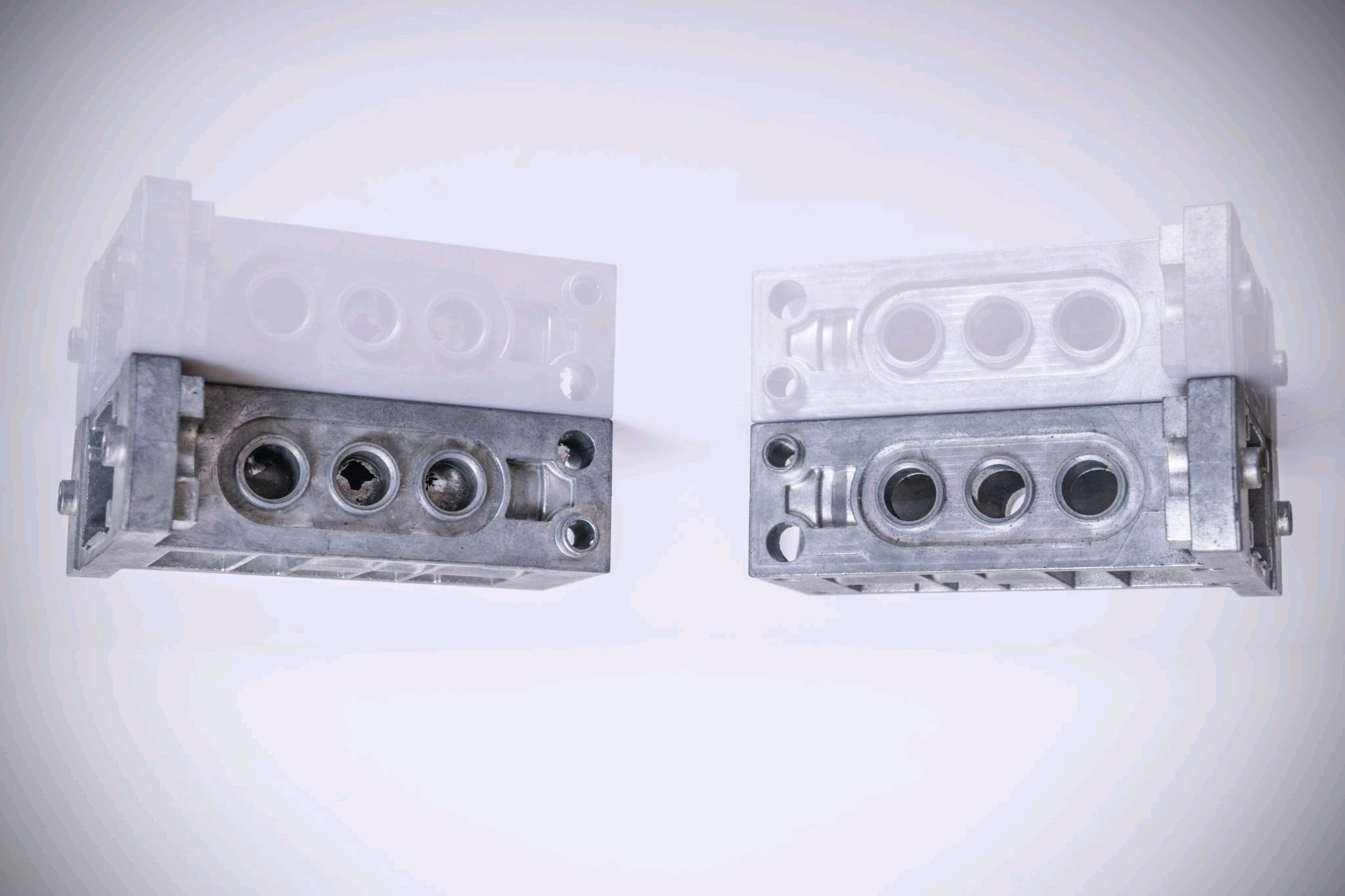
      Most frequently asked question regarding the technology of the cryogenic deflashing    1. What is cryogenic deflashing? Deflashing machines use liquid nitrogen to help the part reach a low enough temperature where its substrate becomes protected. Once the excess flash or burrs reach a brittle state, the cryogenic deflashing machines are used to tumble and blast the part with polycarbonate or other media to remove the unwanted flash.   2. Does cryogenic deflashing work on molded plastic parts? Yes. The process removes burrs and flash on plastics, metals, and rubber.   3. Can cryogenic deflashing remove internal and microscopic burrs? Yes. The cryogenic process combined with the appropriate media in the deburring machine removes the smallest burs and flashing.     4. What are the advantages of cryogenic deflashing system? Deflashing is an efficient and highly effective method that provides several advantages, including: ·   ♦ High level of consistency ·   ♦ Non-abrasive and will not damage finishes ·   ♦ Lower cost than other plastic deflashing methods ·   ♦ Maintains part integrity and critical tolerances ·   ♦ Lower price per piece ·   ♦ Use low cost cryogenic deflashing to avoid repairing your expensive mold. ·   ♦ Computer controlled process provides higher accuracy than manual deburring   5. What kind of products are able to be cryogenically deflashed? Broad range of products, including: ·   ♦ O-rings & gaskets ·   ♦ Medical implants, surgical tools and devices ·   ♦ Electronic connectors, switches, and bobbins ·   ♦ Gears, washers and fittings ·   ♦ Grommets and flexible boots ·   ♦ Manifolds and valve blocks   6. How to know if the product is suitable for cryogenic deflashing? Sample Deflashing TestsWe invite you to send us some of your parts for sample deflashing tests. This will enable you to review the quality of deflashing our equipment can achieve. In order for us to establish parameters for the parts you send, please identify each, by your part number, the main compound used in the manufacturing, along with a finished or Q.C. example. We use this as a guide to your expected quality level      
    Read More
  • Consumables for cryogenic trimming machine – supply of liquid nitrogen
    Apr 10, 2024
    Consumables for cryogenic trimming machine – supply of liquid nitrogen   The frozen cryogenic deflashing machine, as an essential auxiliary manufacturing machinery in the production process of rubber enterprises, has been indispensable.   However, since its entry into the mainland market around the year 2000, local rubber enterprises have little knowledge of the working principles and processes of the frozen trimming machine.   Therefore, this article will provide a detailed introduction to the storage and supply methods of the cryogen, liquid nitrogen, for cryogenic deflashing machine.   In the past, liquid nitrogen was typically stored in separate liquid nitrogen tanks.   Therefore, when purchasing a cryogenic trimming machine, it was necessary to buy a matching liquid nitrogen tank to ensure the proper operation of the machine.   The installation of the liquid nitrogen tank required approval from the relevant authorities, which was a cumbersome process, and the tanks themselves were expensive.   This has led many factories that urgently need to use cryogenic deflashing machines to improve work efficiency to hesitate, as it also involves a certain upfront cost investment.   Nanjing Pegedeflashing has introduced a liquid nitrogen manifold supply station to substitute for liquid nitrogen tanks. T   his system centralizes the gas supply of individual gas points, enabling multiple low-temperature Dewar flasks to be combined for centralized gas supply. It solves the cumbersome process of handling liquid nitrogen tanks, allowing customers to operate the frozen edge trimming machine immediately after purchase.   The main body of the system simultaneously connects three bottles of liquid nitrogen Dewar flasks, and it also includes a port that can be expanded to accommodate four bottles.   The cryogenic deflashing system pressure is adjustable and equipped with a safety valve. It’s easy to assemble and can be mounted on the wall using a triangular bracket or placed on the ground using the bracket.
    Read More
  • Applications Areas of Cryogenic Deflashing Machine
    Apr 08, 2024
      Applications Areas of Cryogenic Deflashing Machine Applicable Materials Of Cryogenic Deflashing ● RubberThe cryogenic deflashing machine can process products made of neoprene, fluoro rubber, EPDM and other rubber materials. The common ones are seal rings / O-rings, auto parts, rubber parts, rubber insoles, silicone products, etc.   ● Injection molding (including elastomer materials)The cryogenic rubber deflashig machine can process products made of PA, PBT and PPS. The common ones are connectors, nanoforming structural parts, medical use injection parts, automotive injection parts, mobile phone cases, mouse cases, injection molding miscellaneous parts, etc.; also products made of TPU and TPE elastic material, such as watch bands, wristbands, soft sleeves, plastic cases, etc.   ● Zinc magnesium aluminum die-castingThe pegedeflashing cryogenic deburring machine can process aluminum, zinc, magnesium alloy products. The common ones are auto parts, metal crafts, decoration items, toy parts and etc.    
    Read More
  • Pege's Cryogenic Deburring Machine Features
    Dec 13, 2023
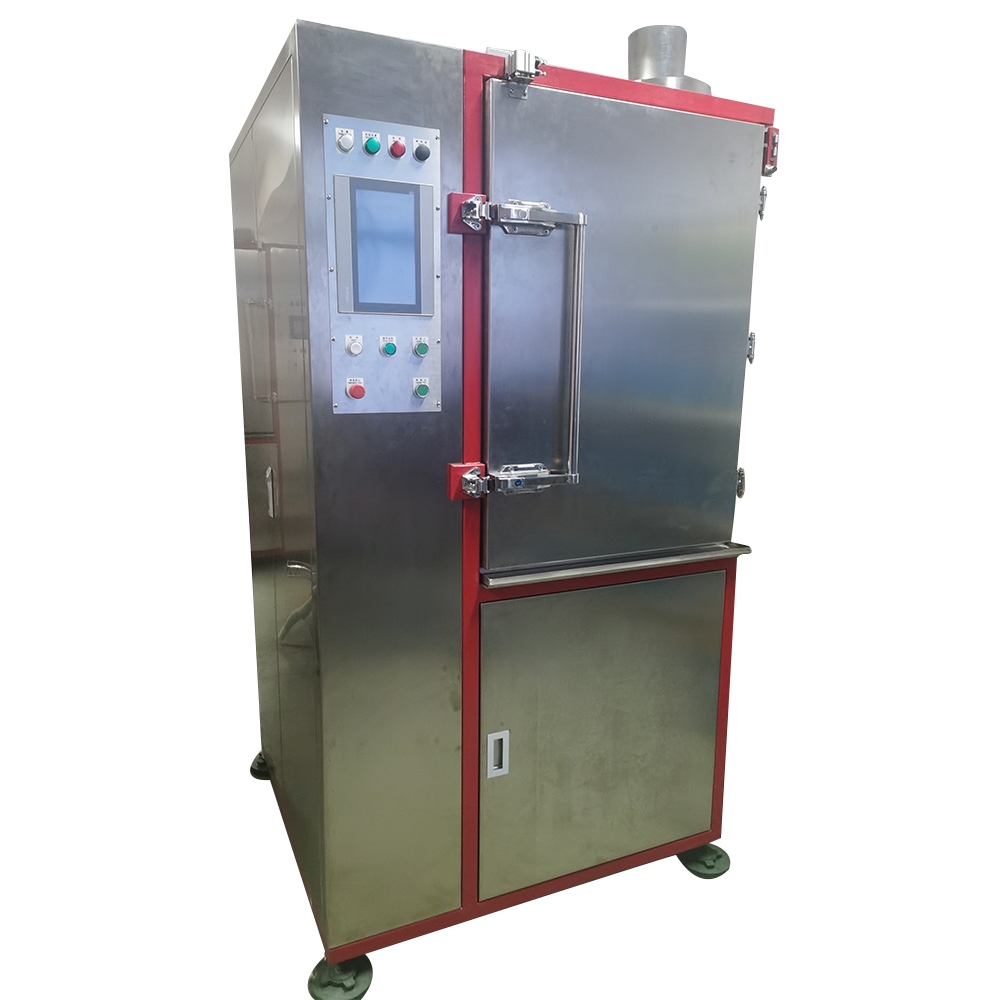
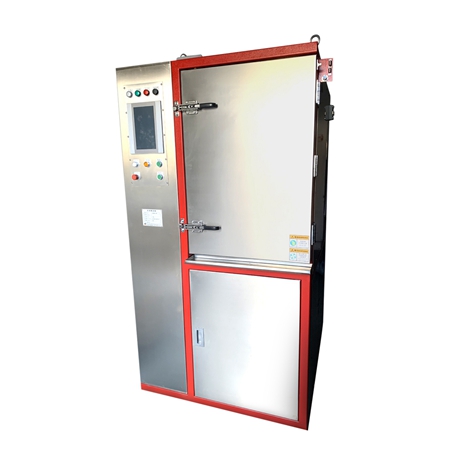
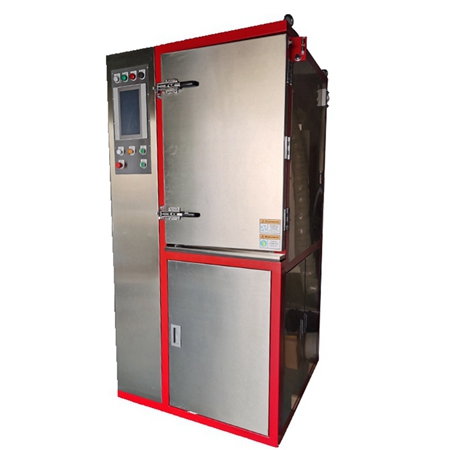
    Pege’s Cryogenic Deflashing/Deburring Machine Features ■Visual& Intelligent HMI Panel - User friendly 11inch HMI operation panel, one stop operation mode, can record and read the parameters, easy to operate and manage。 ■Robust Machine Frame - Frame is all made of 304 stainless steel, its edge uses red powder coating process to ensure both durability and elegant appearance. ■Compact Design to Save LN2 Consumption - To optimize the machine design to make sure the machine chamber is compact and small for saving liquid nitrogen to lower running cost. ■Greater Insulation Effect - Despite of using 75mm thicker insulation material, the insulation material is strengthened by SUS304 material, to ensure excellent heat preservation effect, also can lower LN2 consumption largely. ■Higher Blasting Speed with Big Diameter Wheel Ensure Great Power - Different wheel size choices ensure perfect match between power and barrel capacity to realize best processing result and highest productivity. Our 80Liter use a Ф300mm wheel with a max 7000rpm speed, and 120Liter&150liter a 350mm wheel with a max 7000rpm speed. ■Durable and Efficient Vibrator-Reliable customized SUS 304 vibrator can keep stable running for more than 10 years in the low temp, high humidity environment without failure. ■Bigger Diameter Sieve for Better Separation-Bigger capacity model(120liter&150liter’s) vibrator sieve diameters are around 600mm, which is larger than most of other manufactures, has the advantage of quicker filtering flash and media and has higher efficiency. ■Automatic Media Suction and Blasting- Automatic media circulation system by negative pressure occurred in machine inner chamber, not by screw lifter, save media and more intelligent. ■World Well-known Controller brand like SIEMENS, Panasonic or Mitsubishi, Omron to ensure high working stability in the low temp environment.■Easy and Convenient Media Exchange system to make operation quicker and easier. ■Better Gear Box Design and use customized anti-low temp oil seal to ensure very few dusts get into the box, so less maintenance on gear box. ■More Durable Umbrella Gear and Bearings will ensure long term consistent running with less failure and less maintenance cost. ■Robust Barrel and Machine Door-use strong and thick steel for barrel and machine doors, deformation will not happen even after long time use.  
    Read More
  • Nanjing Pege Techno Launched a New Model of Smaller Capacity Cryogenic Deflashing Machine-PG-40T Nanjing Pege Techno Launched a New Model of Smaller Capacity Cryogenic Deflashing Machine-PG-40T
    Apr 23, 2023
    Nanjing Pege Techno Launched a New Model of Smaller Capacity Cryogenic Deflashing Machine-PG-40T New type of cryogenic shot blasting deflashing machine has following special features: Extremly compact and small machine size and inner chamber to save LN2 use Strong power with a 3.7KW motor, and a 500mm diameter vibrator. High blasting efficiency and flash&media separation performance. Smaller location space requirement. Good quality performance as well as reliable processing efficiency. Afforable price and cheap maintenance cost. With above good features, this type of nitrogen deflashing machine will be well accpect and welcome by rubber or plastic components manufacturers all over the world.
    Read More
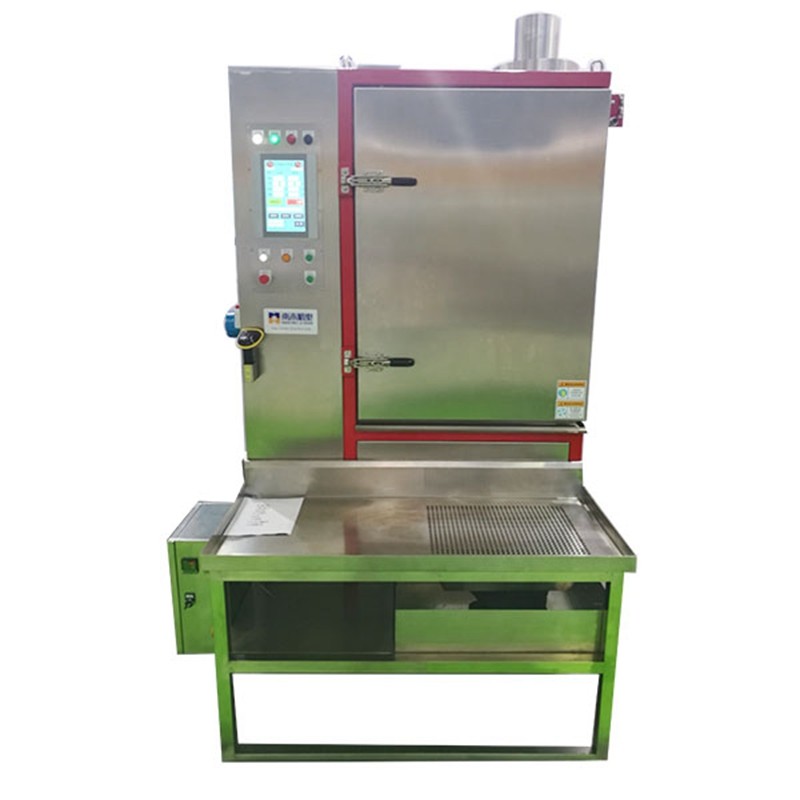
  • Nanjing Pege Frozen Shot Cryogenic Deflashing System Nanjing Pege Frozen Shot Cryogenic Deflashing System
    Dec 22, 2022
    Nanjing Pege Frozen Shot Cryogenic Deflashing System The whole cryogenic deflashing system includes the LN2 contain system, LN2 transmission system and cryogenic shot blasting deflashing system.  For the LN2 container, customer can choose big tank(about 10M3) or small cylinder(250Liter) according the use volume per day. The machine is placed near the workshop window and tank, the distance between machine and LN2 contain should be short enough to ensure quick LN2 transmission. The pipeline for transmission is suggested to use vaccum stainless pipe to reduce Nitrogen lost and quicker transmision during the operation.   Cryogenic deflashing machines are known for its precise quality de-flashed parts with up to 95% performance output without affecting the final part dimension and shape from small O-rings to big molded parts. These Machines serve the need for Rubber, Metal-Rubber parts, small precision plastic parts and small die-casting parts like Zinc and Managanesium alloy. SPECIFICATIONS PG-40T Size:950mm*950mm*1900mm Weight:500kg Power supply: AC380V 50HZ 3Ph Electrical capacity: 4kw Temperature: -130C--50C Pressure:0.5-0.7Mpa Barrel capacity: 40L Effective capacity:15 Liter Wheel speed: 3000rpm-7200rpm Cooling media: liquid nitrogen Material: SUS304   PG-60T Size:1000mm*1000mm*1950mm Weight:700kg Power supply: AC380V 50HZ 3Ph Electrical capacity: 6kw Temperature: -130C--50C Pressure:0.5-0.7Mpa Barrel capacity: 20L Wheel speed: 3000rpm-7200rpm Cooling media: liquid nitrogen Material: SUS304   PG-80T Size:1100mm*1200mm*2000mm Weight:850kg Power supply: AC380V 50HZ 3Ph Electrical capacity: 7kw Temperature: -130C--50C Pressure:0.5-0.7Mpa Barrel capacity: 80L Effective capacity:30L Wheel speed: 3000rpm-7000rpm Cooling media: liquid nitrogen Material: SUS304   PG-120T Size:1200mm*1250mm*2200mm Weight:1000kg Power supply: AC380V 50HZ 3Ph Electrical capacity: 8kw Temperature: -130C--50C Pressure:0.5-0.7Mpa Barrel capacity: 120L Effective capacity: 40L Wheel speed: 3000rpm-6000rpm Cooling media: liquid nitrogen Material: SUS304   PG-150T Size:1300mm*1350mm*2250mm Weight:1500kg Power supply: AC380V 50HZ 3Ph Electrical capacity: 8kw Temperature: -130C--50C Pressure:0.5-0.7Mpa Barrel capacity: 120L Effective capacity: 50L Wheel speed: 3000rpm-6000rpm Cooling media: liquid nitrogen Material: SUS304
    Read More
  • Nanjing PEGE Cryogenic Deflashing Machine Descriptions
    Dec 22, 2022
    Nanjing Pege Cryogenic Deflashing Machines  PRODUCT DESCRIPTION PROCESSING PRINCIPLE With the decrease of the temperature, rubber/plastic parts enter into hardened, brittle, and crystallized process, its flexibility is gradually lost. It is easily broken by external force when it is under brittle temperature. Flash of the molded products is generally much thinner than finished product itself, it become brittle earlier than product in the low temperature. Cryogenic deflashing machine applies this principle, works in the time range when flash is brittle while products still keeps its flexibility, hit the flashes by high speed projected special plastic media, clear out the brittle burr. The flashes can be easily removed, and the product not be damaged.   FUNCTIONS Our cryogenic deflashing machine is widely used in removing the flashes of small rubber and plastic parts like O-rings, gaskets and other press molded or injection moulding parts. With the cryogenic processing technology, the flashes are firstly frozen and then blasted down by the high-speed projection media (Polycarbonate media). The surface quality of molded rubber and plastic rubber parts can be improved greatly while the product are not damaged.   APPLICATIONS  A. O rings, irregular rubber parts with different material and sizes.  B. Micro electronic product parts  C. Precision elastomeric parts  D. Precision injection moulding plastic parts  E. R & D part runs  F. Die casting products, like zinc aluminum, magnesium alloy   FEATURES High efficiency: The automatic rubber deflashing machine can replace about 60-80 worker to removing the flashes. High precision: It can remove small and hardened flashes which cannot be removed by handworkers and improve precision of the products. Low cost: It also has a feature of lower cost comparing with processing the parts by handworkers.  
    Read More
leave a message
leave a message
If you are interested in our products and want to know more details,please leave a message here,we will reply you as soon as we can.

Home

Products

whatsApp